
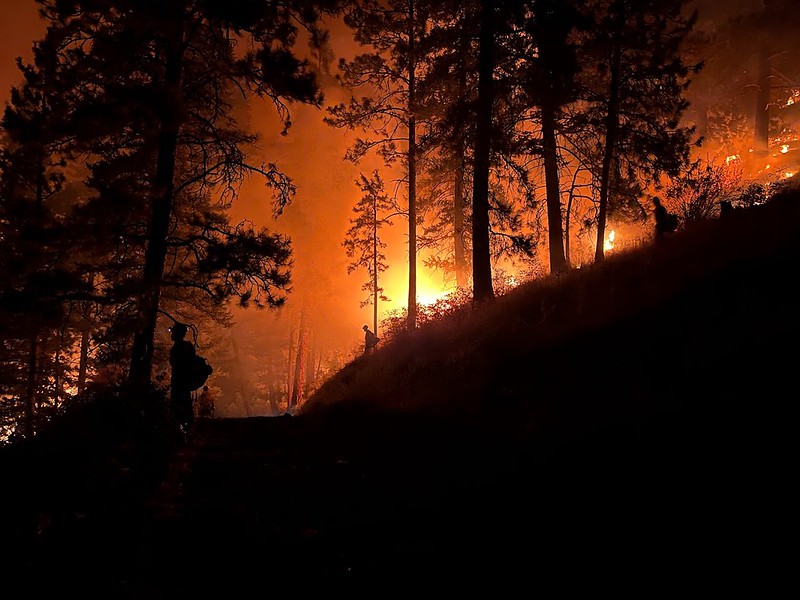
Fuel treatments like thinning and fuel breaks often help trees better survive wildfires in the western US but their biggest direct benefit lies with providing operational choices and opportunities to firefighting teams. Presentations at the 10th International Fire Ecology & Management Congress this past month in Monterey outlined research on whether treating vegetation fuels before a fire threatens are “worth it”. Alan Taylor’s team looked at fuel treatments in the 2021 Dixie fire which burned over 1,500 square miles in 5 northern California counties (suppression cost $637,000,000 but losses estimated at $1.5 billion). Research found that previous fire–within the past decade–reduced the fire severity by a third (based on tree death and damage). There were some exceptions, where recent burns with heavy grass/brush cover got “nuked” in the re-burn under the extreme heat and drought conditions that prevailed that year. The biggest variables correlated with increased fire severity were forest biomass (using NDVI as a proxy) and tree cover. Variables associated with decreased severity included maximum relative humidity and fire operations. The latter is interesting, since burnouts and backfires are a major part of strategies to combat gobbler fires like Dixie. Taylor, a fire ecology professor at Penn State, estimated that these tactics used by firefighters reduced the area which would have burned with high severity by about 22%. It should be noted that burnout operations in western US conifer forests are often conducted at night whereas in Alaska they are more often daytime operations.
Another research effort led by Lacey Hankins studied the effect of previous fuel treatments on outcomes of the 2022 Washburn Fire in Yosemite National Park. They used fire effects plot data and Lidar data but also interviewed fire operations staff to find out if previous roadside thinning or other forest management treatment shaped tactics. Yosemite’s fuel treatments, conducted since the 1970’s, reduced forest density and fuel load—especially ladder fuels. Operations personnel felt previous prescribed fires and strategically placed fuel treatments were key considerations in tactics and helped them protect the town and the giant sequoias in Mariposa Grove. Other presenters in the session described moderation of fire severity in shaded (thinned) treatments up to 20 years old in forests of the Sierra Nevadas, while in southern British Columbia, thinning treatments only worked to lower crowning and torching in the more aggressive treatments. Low intensity thinning (400-1,400 stems/ha) treatments did not reduce modeled fire intensity, nor did pruning (Rutherford, 2023).
—Cited Presentations—
Alan H. Taylor, et al. (2023) The contributions of past fires and fire management operations to severity patterns of the Dixie Fire, Presentation at 10th Intl Fire Congress, Monterey, CA, Dec. 5-7, 2023.
Lacey E. Hankin, et al. (2023) Linking forest management to operational outcomes of the Washburn Fire in Yosemite National Park, Presentation at 10th Intl Fire Congress, Monterey, CA, Dec. 5-7, 2023.
Kea Rutherford, et al. (2023) Are operational fuel treatments successfully mitigating wildfire risk in British Columbia, Canada? Presentation at 10th Intl Fire Congress, Monterey, CA, Dec. 5-7, 2023.
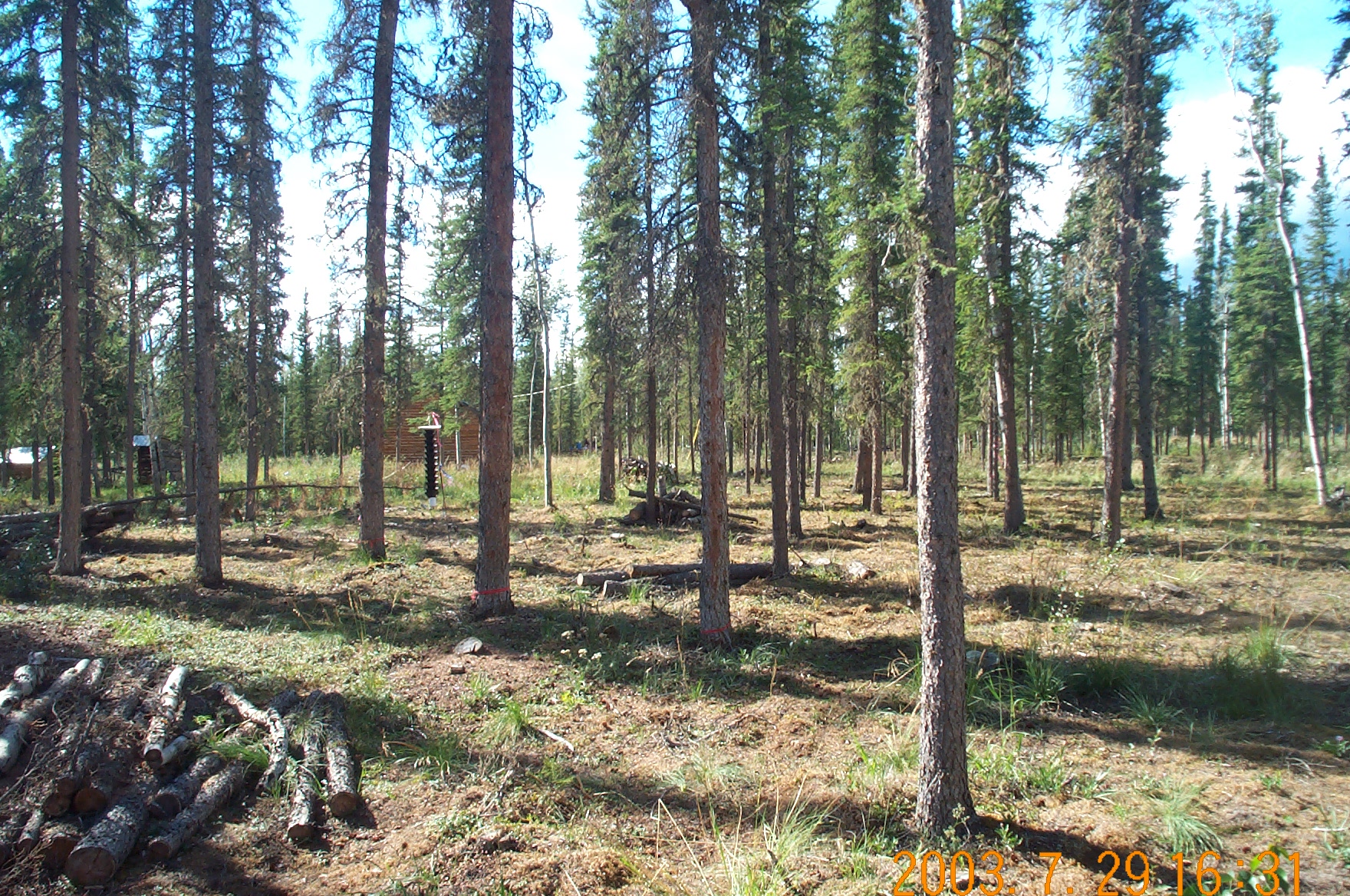
 fuel treatments by an interdisciplinary team of researchers is an important addition to regional management resources. In fact, it probably represents the FIRST published paper specifically on how fuel-reduction affects carbon and nutrient pools, permafrost thaw, and forest successional trajectories. The analysis included 19 sites managed by numerous Alaska agencies covering a large swath from Nenana to Deltana, and were sampled at various ages from 2-12 years post-thinning or shearblading. Our third


 AK Fire Science Highlights